
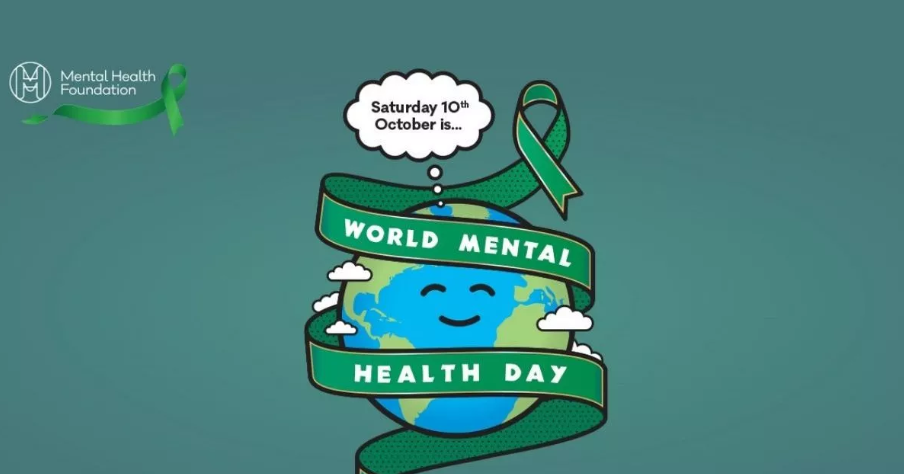
Welcome to World Mental Health Day. The theme for this year is ‘Lived experiences heard, real voices and real change’ (World Federation for Mental Health). Raising awareness on days like world mental health day is important as it can help and support someone reaching out for the very first time.
It reminds us why good mental health is so important, how we can prioritise it in all our lives and within communities. It also gives opportunity to talk openly and listen to what others are experiencing (their lived experience). So how do we help someone feel really heard?
A few simple things can make mental health discussions feel safer and supportive. For example, listening without judgement can help someone feel respected and understood. Here are some tips if you are wanting to have that conversation with someone who is struggling:
1. Choose the right time and environment so you can be fully present and available without distractions;
2. Let them share as little or as much as they can without judgement, reflect back to them what you hear to know you are hearing what they are saying correctly;
3. Give them time and space to explore their thoughts and feelings without interrupting. Most importantly avoid words like “yes but”;
4. Don’t make assumptions or make comparisons to someone else’s experiences as this can invalidate what they are feeling;
5. Try to focus on their perspective rather than trying to fix things, sometimes just sitting with someone can be more powerful than offering advice;
6. Listen then ask, “what would help you right now??” this can help someone feel they have control.
How to help build your resilience
Resilience is where we can bounce back from life’s struggles or challenges. Consider if there are any other areas of your life where you have successfully managed challenges.
Considering practical solutions to solve a problem can also help build resilience, i.e. shifting your perspective, reframing negative thoughts. Could you do something differently, or would it be worth waiting until tomorrow or next week to tackle a work situation?
Making a conscious effort to change the way you view an issue or feel about a problem for example at work could help ease some of the pressure you feel. For instance, if something at work is worrying you, is there a way to look at it that makes more sense? If you really cannot change it, is there a way you can at least accept it and find something you can learn from it?
A shift in mindset can also help if you’re having issues with relationships. It can help to remember that you never know what other people are dealing with, and approaching everyone with kindness goes a long way.
Focusing on the positives and feeling gratitude can help relieve stress. Each day, try listing 3 things that you could do that would make it a good day and/or things in your life you’re thankful for.
Talking about mental health can feel hard. Many of us worry about saying the wrong thing, and that can stop conversations before they begin. But these conversations about mental health do make a difference, and they matter most when we listen to people’s experiences.
Set boundaries and switch off
When you’re feeling the pressure, setting clear boundaries to your day can help – this is particularly important if you work from home. Try to leave work worries at work and switch off in your free time.
How you start and end your day can make a big difference. If you tend to wake up just before you are due to start work or leave the house, you might find it helpful to give yourself time to get into work mode by waking up earlier.
Or if the first thing you do is reach for your phone to scroll, try to replace this habit with something else that you really enjoy, like reading a few pages of a book or a quick stretch to help you feel energised, listening to your favourite music for a few minutes.
Look after your physical health
Our physical health has a big impact on how we feel. At times of stress, it can be easy to develop unhealthy habits, which can make you feel worse. Consider bringing movement into your working day as much as your job allows. Set yourself manageable goals, like adding just 5 more minutes of movement to your day. Go for a walk in your breaks and do simple stretches whenever you can.
Try to plan ahead for your day. For example, make healthy, well-balanced lunches that you’ll really enjoy eating. Remember to drink enough water and low/non-caffeine drinks too, too.
The Wellness Consultancy offers therapy support to individuals, groups or organisations directly or via an EAP (Employee Assistance Programme) Scheme. We have a helpful section on our website about different types of therapies and lots of self-help information Frequently Asked Questions – The Wellness Consultancy.
Andrea Whittaker-Ward
BACP Accredited Therapist/ Clinical Supervisor
Sources of information:
https://www.mentalhealth.org.uk/sites/default/files/2026-09/Talking%20tips%20-%20World%20Mental%20Health%20Day.pdf
NHS mental health hub has information and advice to help you:
https://www.nhs.uk/mental-health
World Federation for Mental Health (wfmh.global)
https://www.who.int/campaigns/world-mental-health-day/2024